Technical Review Team
Expert reviewers evaluating submissions across all conference sub-themes
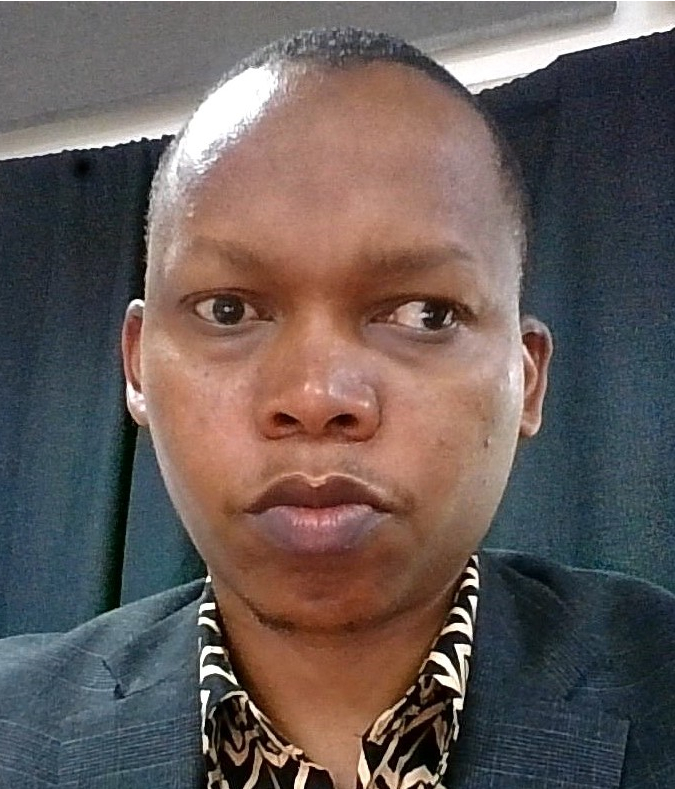
Dr. Mussa J. Dida
Dr. Mussa Ally Dida is a Senior Lecturer at the Nelson Mandela African Institution of Science and Technology (NM-AIST) and currently serves as the Deputy Center Leader for the Centre of Excellence of ICT in East Africa (CENIT@EA) and a chairman of 5 university consortium including AKU, SFU, SUA, UDSM, and NM-AIST
Since earning his PhD from the Beijing Institute of Technology in 2017, Dr. Dida has become a prolific mentor, supervising over 45 postgraduate graduates, including 10 PhDs. He has coordinated major projects such as the DAAD In-Country/In-Region Scholarship Scheme, Erasmus+ KA171, and dSkills@EA. With over 100 peer-reviewed publications, his research focuses on communication systems, embedded systems, cybersecurity, and applied artificial intelligence.
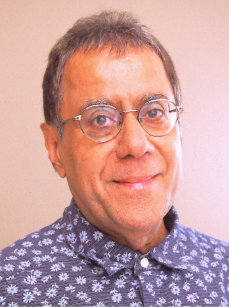
Prof. Zamir Punja
Dr. Zamir Punja is a Professor in the Department of Biological Sciences at Simon Fraser University. His research focuses on plant pathogens affecting a range of crop systems, including small fruits, greenhouse vegetables, wasabi, ginseng, and cannabis. His work integrates plant pathology and biotechnology to better understand disease etiology and develop effective management strategies, with a current emphasis on pathogens impacting cannabis growth, quality, and yield.
He completed his BSc in Plant Sciences at the University of British Columbia, followed by an MSc and PhD in Plant Pathology from the University of California, Davis. After a postdoctoral appointment, he held a joint position with North Carolina State University and Campbell Soup Company, and later worked with Campbell Soup Company across North Carolina, California, and New Jersey before joining Simon Fraser University.
His research program combines studies of fungal disease control with advanced approaches in plant tissue culture, molecular biology, biological control and genetic engineering to enhance plant resistance to disease.

Dr. Emmanuel Sulle
Sulle is an Assistant Professor and Director of the Aga Khan University’s Arusha Climate and Environmental Research Centre in Tanzania. He is a leading scholar in African agrarian studies and a contributor to the Network of Excellence on Land Governance in Africa.
He holds a PhD in Poverty, Land and Agrarian Studies from the University of the Western Cape (South Africa) and a Master’s degree in Public Policy, specializing in Environmental Policy, from the University of Maryland (USA). His academic achievements include awards such as the Harvard University Doctoral Student Fellowship and the CODESRIA Doctoral Grant. Sulle currently holds a Global Faculty position at the University of Cologne (Germany), serves as an Adjunct Professor at Simon Fraser University (Canada), and is a Research Fellow at the University of the Western Cape.
Before joining AKU, he worked at the University of the Western Cape, where he led multidisciplinary research teams on complex projects across Eastern, Southern, Western, and Northern Africa. These include large-scale studies on women’s land rights in seven countries and development corridors in four countries in Eastern and Southern Africa. His current research focuses on climate change, sustainable agriculture and food systems, policy analysis, the green economy, biodiversity, land tenure, and agrarian transformation in Africa.
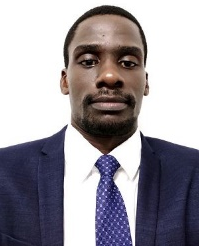
Dr. Maagi, Mtaki T.
Dr. MAAGI, Mtaki Thomas is a Lecturer in the Clean Energy Technologies Research Group within the School of Materials, Energy, Water and Environmental Sciences (MEWES) at the Nelson Mandela African Institution of Science and Technology (NM-AIST). He holds a PhD in Oil and Natural Gas Engineering and specializes in both conventional and emerging energy systems. His research focuses on natural gas engineering, oil-well cementing, and drilling fluid technology, alongside advanced areas such as nanotechnology for energy applications and geothermal energy systems. Dr. Maagi is also actively engaged in clean energy technologies and low carbon solutions, energy conversion and storage, contributing to innovative solutions for energy efficiency and environmental sustainability. Dr. Maagi has authored and co-authored several science citation index publications. He actively contributes to the academic community as a reviewer and editorial board member for both local and international scientific journals, supporting the advancement of research in energy sectorDr. MAAGI, Mtaki Thomas is a Lecturer in the Clean Energy Technologies Research Group within the School of Materials, Energy, Water and Environmental Sciences (MEWES) at the Nelson Mandela African Institution of Science and Technology (NM-AIST). He holds a PhD in Oil and Natural Gas Engineering and specializes in both conventional and emerging energy systems. His research focuses on natural gas engineering, oil-well cementing, and drilling fluid technology, alongside advanced areas such as nanotechnology for energy applications and geothermal energy systems. Dr. Maagi is also actively engaged in clean energy technologies and low carbon solutions, energy conversion and storage, contributing to innovative solutions for energy efficiency and environmental sustainability. Dr. Maagi has authored and co-authored several science citation index publications. He actively contributes to the academic community as a reviewer and editorial board member for both local and international scientific journals, supporting the advancement of research in energy sector.
Dr. Beatus Lymo
Senior Research Fellow in Social Development and Community Resilience. Specializes in gender equity, indigenous rights, and youth participation in decision-making.
International development practitioner with 15+ years experience in social protection programs across Sub-Saharan Africa and South Asia.

Dr. Godiana H. Philipo
Dr. Godiana Hagile Philipo is a Lecturer and Researcher in the School of Materials, Energy, Water, and Environmental Sciences (MEWES) at the Nelson Mandela African Institution of Science and Technology (NM-AIST). She holds a PhD in Electrical Engineering, specializing in Sustainable Energy Science and Engineering. Her research areas include demand-side energy management, smart grids, renewable energy technologies, and sustainable solutions for climate resilience and rural energy access.
Dr. Hagile is actively involved in multidisciplinary research and innovation projects addressing clean energy technologies, energy management approaches, and sustainable community development. She has experience in supervising undergraduate and postgraduate research, proposal development, and collaborative international research initiatives. Her work also explores innovative technologies for energy efficiency, low-carbon development, and resilient energy systems for underserved communities.
Dr. Hagile has authored and co-authored several scientific publications and actively contributes to academic and professional communities through research collaborations, conference participation, mentorship, and technical review activities in the fields of energy and sustainability.

Ms. Ritha Ituwe
Ms. Ritha Ituwe is a Grant Accountant at the Nelson Mandela African Institution of Science and Technology (NM-AIST), where she oversees the financial management and compliance of more than 65 donor-funded research and development projects.
Her expertise spans grant accounting, financial reporting, budgetary control, fund reconciliation, and regulatory compliance within complex multi-stakeholder funding environments. She is highly experienced in financial risk management, cost allocation, audit coordination, and ensuring adherence to institutional, donor, and international financial governance frameworks.
Ritha plays a strategic role in strengthening financial accountability, optimizing resource utilization, and supporting sustainable project execution through robust financial oversight and analytical reporting. With a strong foundation in accounting and finance, she is committed to advancing transparency, fiscal integrity, and operational excellence in research grant management and institutional finance.

Dr. Esther G. Kimaro
Dr. Esther G. Kimaro is a veterinarian, lecturer, and researcher specializing in veterinary infectious diseases and the One Health approach. Her research focuses on the epidemiology of infectious diseases including zoonosis and vector-borne diseases of livestock and public health importance using One Health approach, disease surveillance and participatory epidemiology. She currently trains postgraduate students in epidemiology of infectious diseases and One Health approach.
Dr. Kimaro also supervises more than 15 MSc and PhD scholars at NM-AIST, and through regional collaborations. She has authored and co-authored over 30 peer-reviewed publications and has led and contributed to multiple research projects addressing livestock and public health challenges, disease epidemiology, early warning systems, climate resilience and health systems, also community engagement particularly in resource-limited settings. Her recent work emphasizes community based One Health interventions aimed at improving health outcomes at the human, animal, and environment interface. She is a recipient of the OWSD-UNESCO Early Career Fellowship (2024–2026), the Afrique One-REACH Fellowship (2024–2025), and the Plowright One Health Mentoring Scheme (2025–2026).

Dr. Grite Nelson Mwaijengo
Dr. Grite Nelson Mwaijengo is a Lecturer and Researcher in Eco-Hydrology at the Nelson Mandela African Institution of Science and Technology (NM-AIST), where she serves as Chair of the Water and Sanitation Research Group. She holds a PhD in Biology (Eco-hydrology) from KU Leuven, Belgium, and has spent over a decade pioneering science-driven solutions to East Africa's most pressing water, health, and climate challenges.
Her signature achievement “building Tanzania's first Freshwater Biodiversity Data Portal” stands as a landmark in national environmental data infrastructure strengthening the link between ecological science and public policy. Her work has been recognised by VLIR-UOS Belgium, the British Ecological Society, GBIF, DAAD, and the African Centre for Aquatic Research and Education (ACARE), among others. An experienced international conference speaker, Dr. Mwaijengo has presented at forums across Africa, Europe, Australia, and the United States. She is committed to mentoring the next generation of African scientists, supervising both PhD and Master's students, and to advancing gender equity in STEM through her involvement in the African Women in Science fellowship programme.

Dr. Bashir Adelodun
Dr. Bashir Adelodun is a distinguished academic and engineer renowned for his significant contributions to environmental science and sustainability through transdisciplinary research approach. He holds PhD in Agricultural Civil Engineering from Kyungpook National University, South Korea and a Registered Practicing Engineer with the Council for the Regulation of Engineering in Nigeria (COREN). He is a member of several professional bodies including American Society of Agricultural and Biological Engineers. He is currently a research fellow at Aga Khan University's Arusha Climate and Environmental Research Centre.
His research reflects a broad range of interests, including water resources and environmental management, sustainable food systems, and climate adaptation and resilience. He has authored/co-authored more than 100 peer-reviewed research publications indexed in Scopus and Web of science databases. Through his innovative and impactful scholarship, Dr. Adelodun continues to advance in the field of environmental science by contributing to sustainable and practical solutions for pressing global environmental challenges.
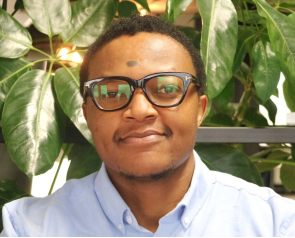
Dr. Lawrence Nehemiah Mdegela
Dr. Lawrence Nehemiah Mdegela is a lecturer and researcher at The Nelson Mandela African Institution of Science and Technology (NM-AIST), Tanzania, specializing in artificial intelligence, scientific machine learning, and data-driven environmental systems. His research focuses on applying AI and deep learning techniques to extreme weather prediction, hydrological forecasting, and community-centered climate resilience solutions.
He is a National Geographic Explorer and Principal Investigator of the CFLOW project, which develops community-driven flood early warning systems in Tanzania’s Pangani Basin through participatory design, integration of local knowledge, and low-cost sensing technologies. Beyond academia, he is involved in technology innovation and digital capacity building through ComTech Alliance and iCraftAI, supporting AI education, research, and applied solutions for African communities.
Dr. Theresia Nkya
Dr. Theresia Nkya is a Senior Lecturer at the University of Dar es Salaam, Mbeya College of Health and Allied Sciences (MCHAS), Tanzania. She holds a PhD and has completed postdoctoral research training, with expertise in public health, biomedical sciences, infectious diseases, and digital health. She is an Affiliate of the African Academy of Sciences (AAS), reflecting her commitment to advancing scientific excellence and research leadership in Africa.
Her research interests include malaria, schistosomiasis, tuberculosis, neglected tropical diseases, antimicrobial resistance, health systems strengthening, and the application of artificial intelligence in disease surveillance and control. Dr. Nkya has contributed to multidisciplinary research projects and scientific publications addressing major public health challenges in Sub-Saharan Africa. She is actively involved in mentoring students and early-career researchers and promoting evidence- based solutions for health improvement. As a member of the conference technical and organizing team, she supports scientific collaboration, innovation, and knowledge exchange for sustainable development.

Dr. Christopher Hariri Mbotwa
Dr. Christopher Hariri Mbotwa is a data scientist and lecturer in public health, epidemiology, and biostatistics at the University of Dar es Salaam - Mbeya College of Health and Allied Sciences, Tanzania. His research interests include epidemiology, implementation research, maternal and child health, HIV prevention, and health data science. He has experience in implementing trials, population-based studies, and analysis of large health datasets, with several peer-reviewed publications in international journals.
Dr Simon Peter Ngalomba
Dr. Simon Peter Ngalomba is a Lecturer in the Department of Educational Foundations, Management and Lifelong Learning at the University of Dar es Salaam, Tanzania. He is a researcher specializing in higher education, educational leadership and policy, and the internationalization of higher education, with additional interests in entrepreneurship education, university governance, e-learning and climate change education. Dr. Ngalomba has published widely in reputable journals and actively contributes to research, policy dialogue and capacity building across Africa. He is committed to advancing quality, innovation and sustainability in higher education through research, teaching, and professional engagement.
Dr Zamda Ramadhan Geuza
Dr. Zamda Ramadhani Geuza is a communication scholar and lecturer at the Center for Communication Studies at the University of Dar es Salaam, Tanzania. She specializes in communication studies, publishing, academic writing, media and cultural studies, with research interests spanning literacy, reading cultures and public communication. Dr. Geuza has contributed to scholarly publications on reading cultures and communication in Tanzania and is actively engaged in teaching, research, academic mentorship and community engagement. Her work bridges communication theory with contemporary social and cultural issues in Africa.
Dr. Thomas F. Marandu
Dr. Thomas F. Marandu is a Senior Lecturer and researcher at the University of Dar es Salaam-Mbeya College of Health and Allied Sciences, with extensive expertise in immunology. He holds a Ph.D. in Immunology and Virology from the Technical University of Braunschweig, Germany, and completed a postdoctoral fellowship in immunology at Harvard Medical School, Boston, USA. Dr. Marandu has worked on several projects examining how pathogens (viruses and parasites) modulate host immunity, resulting in multiple publications in international peer-reviewed journals

Dr. Akida Ignas Meya
Dr. Akida Ignas Meya (PhD) is a researcher in Soil Sciences/Agronomy and is currently a Lecturer in the School of Life Sciences and Bioengineering (LiSBE) at the Nelson Mandela African Institution of Science and Technology (NM-AIST), Arusha - Tanzania. Prior to this, he worked for the Ministry of Regional Administration and Local Government under the Executive Director of Ulanga District Council as an Agriculture Extension Staff between June 2005 and November 2013. He joined the NM-AIST as a faculty and researcher in the School of LiSBE in December 2013.
Akida’s educational background includes a BSc. in Agronomy from the Sokoine University of Agriculture (SUA), Tanzania in 2004, a MSc. in Crop Science from SUA in 2012, and a PhD. in Bioscience Engineering from Katholieke Universiteit Leuven (KU Leuven), Belgium in 2021. His research interests are in areas of nutrient and water use efficiency in farming systems, nutrient flows and balance at the field level, bioprospecting, and integrated soil fertility and pest management. Central to his research is the question of how to optimize traditional soil fertility and pest management strategies to enhance crop productivity and profitability.
Over the 21 years of experience as a faculty and researcher, Akida has (i) optimized the traditional soil nitrogen fertilization strategy for banana production in central-northern Tanzania, which relies on applications of cattle manure only by combing with urea, each providing 50% of the annual budget, (ii) estimated the optimum fertilizer application rates for the traditional East African highland Mchare banana (EAHB-AA cooking type), thus his findings form a basis for banana production in the country, and (iii) optimized the conventional fungicide spray regime to manage tomato late blight disease in the coastal regions of Tanzania. Akida was a coordinator of the Participatory Agricultural Development and Empowerment Project (PADED) in Ulanga District Council, Tanzania between 2005 and 2009. In addition, he served as deputy project leader of the VLIR-IUC/NM-AIST partnership program in the agriculture sub-section/sub-project between June 2020 and July 2024. Currently, Akida is serving as a Principal Investigator of the Bioprospecting Spirulina for Sustainable Food, Energy, Water and HealTh: a blue-gReen Economy (FEWTURE) Project.
Prof. Baraka Kichonge
Prof. Baraka Kichonge is an Associate Professor in the Mechanical Engineering Department at Arusha Technical College and an Adjunct Professor in the School of Materials, Energy, Water and Environmental Sciences (MEWES) at the Nelson Mandela African Institution of Science and Technology, Tanzania. He completed postdoctoral research and holds a PhD in Sustainable Energy Science and Engineering, an MSc in Production Engineering, and postgraduate training in Mechanical Engineering.
His research focuses on renewable energy, biofuels, thermal engineering, solar drying and cooling, and thermal energy storage. His expertise covers energy-system design and optimization, biofuel production, techno-economic analysis, life-cycle assessment, energy modelling, and environmental performance evaluation.
Prof. Kichonge has contributed to patented technologies for solar-assisted drying, thermal energy storage, vaccine cooling, and hybrid solar-biogas drying. His recent research examines sustainable biofuel production, photovoltaic system performance, renewable power generation, and solar drying, cooling, and thermal energy storage technologies. He supervises MSc and PhD research and contributes to regional projects focused on engineering education, research capacity development, and sustainable energy applications across Sub-Saharan Africa.
Dr Josephine Joseph Mkunda
Dr Josephine Joseph Mkunda is a Lecturer in the Department of Business Administration and Management, School of Business Studies and Humanities (BuSH), at the Nelson Mandela African Institution of Science and Technology (NM-AIST), Arusha, Tanzania. She also leads NM-AIST's Technology Transfer and Commercialization Office (TTCO), driving the commercialization of research outputs and forging industry partnerships.
Dr. Mkunda holds a BSc. in Food Science and Technology and an MSc. in Agricultural Economics, both from Sokoine University of Agriculture, and a PhD in International Trade and Marketing (Business Modeling) from NM-AIST and Copenhagen University. Her research interests span business strategy and modeling, entrepreneurship and innovation management, international trade, agricultural value chain analysis, micro- and macroeconomic policy, food security, climate change and life cycle assessment in agriculture.
Dr. Mkunda is highly interested in integrated research projects between science, technology, innovation (STI) and business management; climate change, complemented by prior experience with the East African Community, the Eastern Africa Farmers Federation, and World Vision Tanzania. She has authored 25+ publications and participated major projects including SHE-CREEDS, EWA-BELT, AGROVAL, and SOLTEC.
Prof. Linus Munishi
Prof. Linus Munishi graduated his BSc Wildlife Management and MSc. Management of Natural Resources for Sustainable Agriculture from Sokoine University of Agriculture, Tanzania. He graduated his PhD in Zoology in which he was jointly trained at the Nelson Mandela Metropolitan University, South Africa and University of Washington, USA. Prof. Munishi did his Postdoctoral training and skills development in environmental diagnostic science tools within European Union (EU) Marie Curie IMIXSED project jointly implemented by 5 EU and 2 African Universities. As a Zoologist and Conservation biologist, his research interests use interdisciplinary framework focusing on addressing threats to biodiversity loss and environmental degradation at landscape level.
He has won more than 20 research grants from various funding organizations including International Union for Conservation of Nature (IUCN), Climate Change Research Fund from SIDA VR-Sweden, including a recent EU Climate and Innovation research and training mobility grant of about 1.5 million EURO for which he is the Principal Investigator. He has published four Book Chapters and more than 150 papers in peer review journals, participated in policy and outreach engagement activities at national, regional and international level.
Dr Gamariel A. Mboya
Dr Gamariel Anselem Mboya is a development scholar and higher education administrator whose work focuses on strengthening institutions, advancing inclusive development, and translating research into practical solutions that improve policy and organisational performance. He currently serves as Head of Administration at Aga Khan University (AKU), Tanzania, where he provides leadership in administration, governance, risk management, and institutional operations, supporting the University's mission of excellence in education, research, and service.
With a strong foundation in both academia and management, Dr Mboya brings extensive experience at the intersection of research, policy, and institutional leadership. His professional work has focused on enhancing organisational effectiveness, strengthening governance systems, supporting strategic planning processes, and fostering institutional resilience within complex and multidisciplinary environments. At AKU, he has played a key role in enterprise risk management, compliance, safeguarding, business continuity planning, and the development of systems that support informed decision-making and sustainable organisational growth.
Dr Mboya earned a PhD in Development Studies from the University of Dar es Salaam. His doctoral research examined access to financial opportunities for persons with disabilities in Tanzania, with particular attention to the implementation of interest-free loan programmes by Local Government Authorities. The study contributed to the growing body of knowledge on disability inclusion, public policy implementation, and local governance, while offering evidence-based recommendations for improving inclusive financing mechanisms and strengthening accountability within public institutions.
His research interests span disability inclusion, local governance, development policy, higher education management, climate resilience, institutional effectiveness, and public sector accountability. He has contributed to several multidisciplinary research and innovation initiatives, including projects related to sustainability, climate action, collaborative learning, and health systems strengthening. Notable engagements include support to the WeCOLLABO initiative, the Sustainable Campus Grant, and institutional research programmes focused on advancing evidence-informed practice.
Prior to joining Aga Khan University, Dr Mboya worked with Under The Same Sun (UTSS), where he managed programmes promoting the social and economic inclusion of persons with disabilities through advocacy, community engagement, and multi-stakeholder partnerships.
Dr Mboya holds an MBA from UDSM Business School and a BSc in environmental science and management from Sokoine University of Agriculture, reflecting his dedication to combining academics with effective management. His work helps build resilient institutions, inclusive policies, and sustainable solutions that benefit Tanzania and the region.
Happiness A. Moshi
Dr. Happiness Anold Moshi is a researcher, climate and Natural Resources at Arusha Climate and Environmental Research Center (ACER)- Aga Khan University.
Dr. Happiness Moshi is a researcher specializing in environmental conservation, sustainable water and food systems, climate change adaptation, resilience, and integrated water resources management. Her research focuses on understanding the interactions between natural ecosystems, communities, and climate change to develop evidence-based solutions that enhance environmental sustainability and livelihood resilience. She has experience conducting interdisciplinary research on water quality, natural resource governance, climate-smart agriculture and ecosystem management, working closely with local communities, policymakers, and development partners. Dr. Moshi is well skilled in research project leadership, grant proposal development, supervision, public speaking and publication in international scientific peer reviewed journals. Through her work, she aims to contribute to sustainable development by generating knowledge that informs policy, strengthens adaptive capacity, and promotes resilient food and water systems.
She is passionate and dedicated to environmental conservation, water resources protection and management, community engagement & citizen science, biodiversity conservation, climate change adaptations and resilience to meet society needs and attain sustainable development goals.

Dr. Isangula
Dr. Isangula is an Associate Professor of Public Health and Community Health at Aga Khan University and an independent public health consultant. He brings over 15 years of experience in public and community health, with more than 40 peer-reviewed publications. His work focuses on advancing health outcomes through innovative research, health service design, and program evaluation. He is the Principal Investigator of the UKRI-funded Kikohozi Project, leading the development of one of Africa's largest cough sound databases and an AI-powered screening tool for tuberculosis, asthma, and COPD to support early diagnosis in primary healthcare and community settings.
Dr. Isangula holds a PhD in Public Health from the University of New South Wales in Australia, a Master of Public Health from the Johns Hopkins Bloomberg School of Public Health in the United States, and a Doctor of Medicine degree from Muhimbili University in Tanzania. He also holds professional certifications in public health and research ethics from leading U.S. institutions, underscoring his strong commitment to evidence-based practice and ethical research.
Dr. Bonny Mgawe
Dr. Bonny Mgawe is a lecturer at the Nelson Mandela African Institution of Science and Technology (NM-AIST) and a Certified Telecommunication Engineer (Level 3, Registration No. P0656-RFC). His research interests lie in Machine Learning, signal processing, and embedded systems. He has previously collaborated with King Mongkut’s University of Technology (Thailand) to develop a low-cost soil health monitoring device using antenna-based sensing technology. This innovation provides smallholder farmers with a practical alternative to laboratory soil testing, supporting data-driven precision agriculture and improved crop production.
Currently, Dr. Mgawe is actively involved in two national strategic initiatives:
1. Tanzania Internalization of Higher Education (TANZIE) – promoting international academic collaboration, research excellence, and institutional capacity development within Tanzanian universities.
2. TNational AI Readiness Assessment for Tanzania – supporting the foundational work toward developing the country’s first National Artificial Intelligence Strategy, including policy frameworks, infrastructure assessment, and human capacity planning.
Dr. Anna H. Msigwa
Dr. Anna Haji Msigwa is a Lecturer and Researcher at the Nelson Mandela African Institution of Science and Technology (NM-AIST), Tanzania, and a Research Associate at the Water Resources Research Center (WWRC), University of Arizona, USA, under the Schlumberger Foundation Faculty for the Future Fellowship. She holds a PhD in Engineering Sciences (Hydrology and Water Resources Management) from Vrije Universiteit Brussels, Belgium, an MSc in Hydrology and Water Resources Engineering, and a BSc in Environmental Engineering.
With over 12 years of experience, Dr. Msigwa specialises in hydrology, climate change adaptation, drought risk assessment, groundwater–surface water interactions, gender-responsive water governance, and geospatial analysis. Her research integrates AI, remote sensing, and participatory approaches to develop practical solutions for water security and climate resilience in Africa.
She is a Member of the Global Young Academy, an OWSD Early Career Fellow, a PEER2PEER Fellow of the U.S. National Academies of Sciences, and a One Planet Fellowship Laureate. She also co-founded the Nishike Mkono Initiative, mentoring young African women scientists in STEM careers and research visibility.
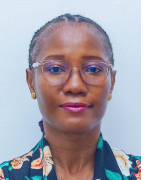
Dr. Anita M. Rugaika
Dr. Anita M. Rugaika is a Senior Lecturer in the School of Materials, Energy, Water and Environmental Sciences at the Nelson Mandela African Institution of Science and Technology. She holds a PhD in Chemical Engineering and conducts research on wastewater treatment and reuse, resource recovery, and nature-based solutions, including constructed wetland systems. Her research interests include the reuse of treated wastewater for agriculture, wastewater treatment in constructed wetland systems, and resource recovery from water and wastewater. Dr. Rugaika has supervised postgraduate students and authored numerous peer-reviewed scientific publications in wastewater treatment and environmental engineering. ORCID: 0000-0002-6313-9136
Organizing Committee
Representatives from each member institution coordinating the 3rd 5UCC Conference
Nelson Mandela African Institution of Science and Technology
Arusha, Tanzania | Host of the 3rd 5UCC Conference
Dr. Mussa A. Dida
Dr. Beatus Lyimo
Dr. Maagi, Mtaki T.
Dr. Godiana H. Philipo
Dr. Esther G. Kimaro
Dr. Grite N. Mwaijengo
Dr. Lawrence Mdegela
Mr. Augustino Faustino
Ms. Ritha Ituwe

University of Dar es Salaam
Dar es Salaam, Tanzania | Local Partner
Dr. Theresia Nkya

Aga Khan University
Arusha, Tanzania | Local Partner
Dr. Bashir Adelodun
Dr. Emmanuel Sulle

Simon Fraser University
Burnaby, Canada | International Partner